We don’t show people who we really are - what we leave behind tells a greater story
No-one ever knows us fully when we’re alive.
They only see the carefully curated persona we reveal to them. It’s once we’re no longer here, that people piece together the segments of our life and create a new version of us. What they come up with can be completely different to our own idea of who we are.
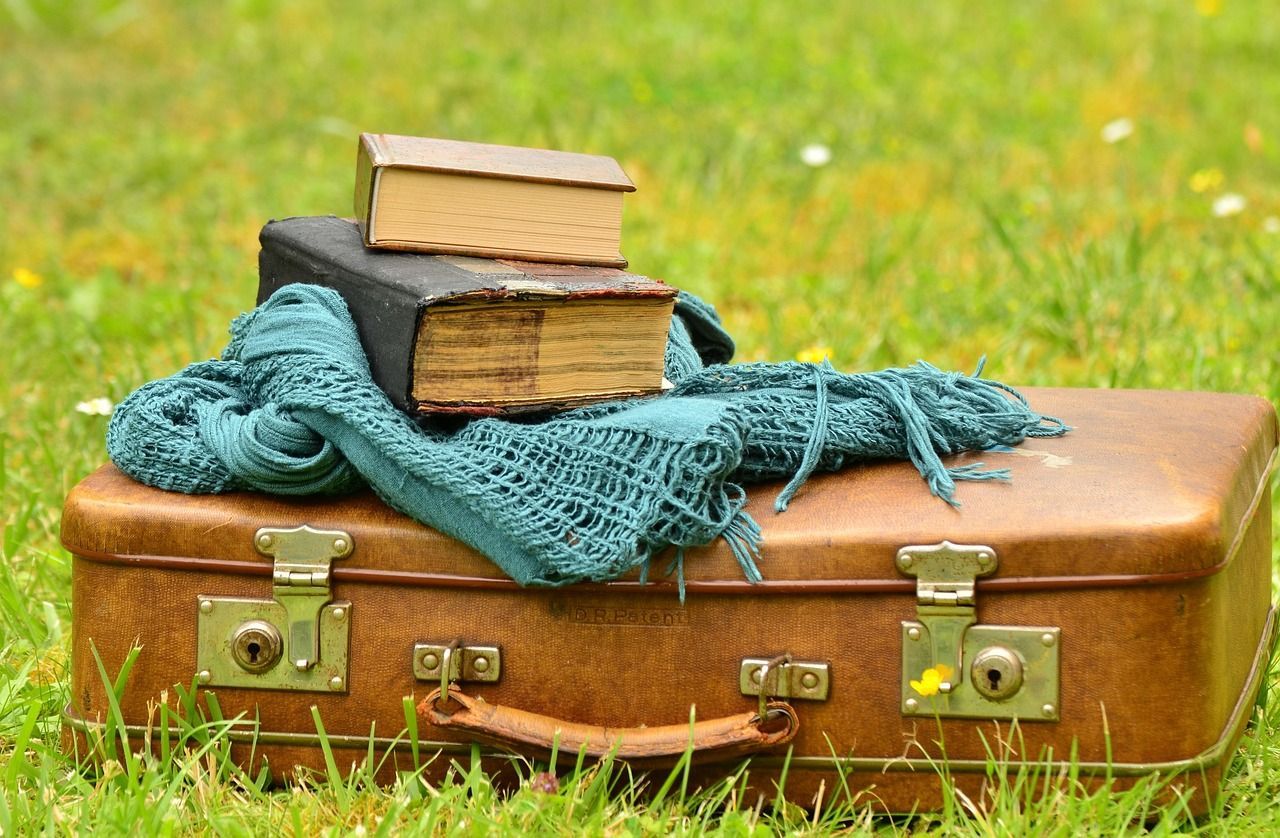
The belongings we leave behind, the personality traits we exhibit, and the secrets that surface, all come together to create a whole, new identity. That’s our legacy – a reconstructed and ever-evolving mosaic of items, memories, and stories that have made an imprint on the world.
The Things We Leave Behind
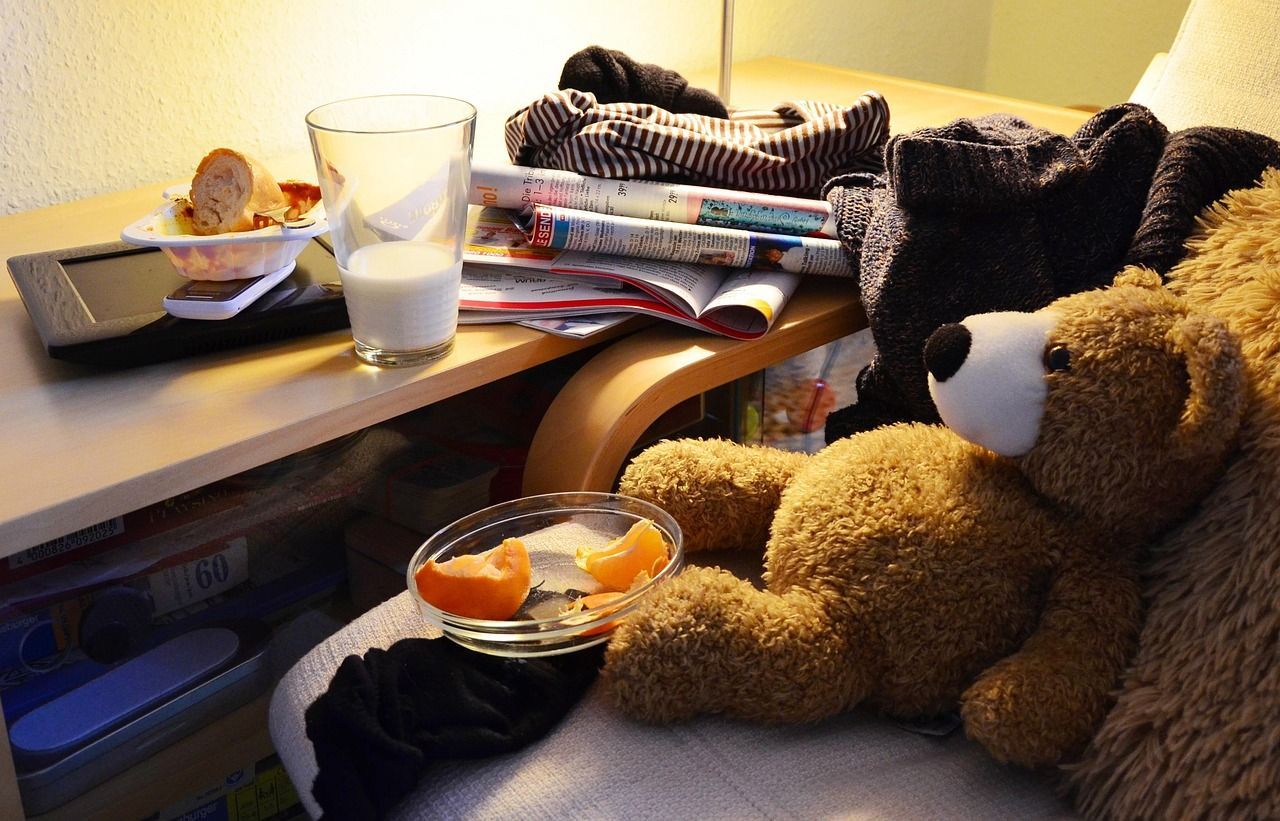
Have you ever wondered what people will make of the jar of pickled onions that’s been in your fridge since 1997, your display of coloured rocks from the beach, or your underwear joyfully folded in Marie-Kondo style? What about the box of cards and letters you’ve kept since the age of 10, or the stash of 200 paper grocery bags filling the corner of your garage?
On a creative level, people leave behind artwork, writing, beautifully designed homes and gardens, inventions, and eclectic craftwork that others will ponder over for years to come.
The things that are missing from our home also have a tale to tell.
It’s hard to imagine how a person lives their life without tomato sauce in their house. And what about the risk-takers who don’t keep spare packs of toilet paper or AAA batteries?
It’s interesting and amusing for people to come across these items, or lack of, but it’s the bigger themes that can have people wondering if they ever truly knew you!
The Versions of Us
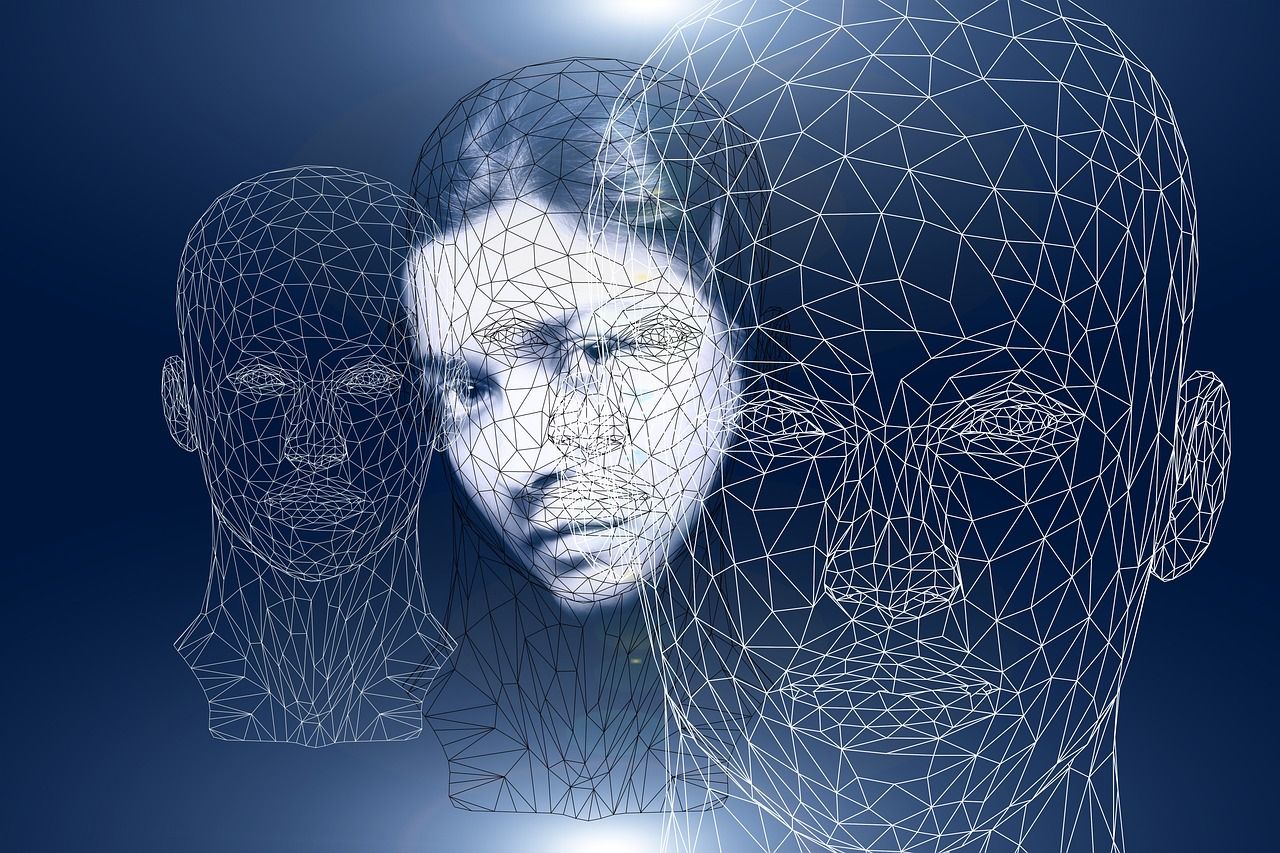
We inhabit different personas in each area of our life – work, religion, sport, hobbies, social (close and outer circles), family roles (child, spouse, parent etc.), and so on. No one will ever see ALL of our personas, unless they shadow us 24/7. We create these personas on both a conscious and unconscious level to help us adapt to social and cultural conventions, and to manage the tasks we’re fulfilling. We also need the personas to help us maintain our own emotional well-being.
The woman who has everyone at work thinking she’s boring, repressed and lonely may be a talented drummer in a band, and the chattiest person in her large, friendship group.
The fun guy at work who’s everybody’s buddy may be competitive and aggressive in his football team, sullen and withdrawn at home with his partner, and empathic and affectionate with his children.
We don’t always have a choice of which roles we play, nor freedom within those roles.
What we wear to work, the way we talk to people on higher and lower rungs, and the amount of work we need to get done, is usually pre‑determined.
In our personal lives, most people tend to fit within the usual pattern of finding a partner, settling down together, and forming a family. It’s expected that chores, finances and decisions are shared, and that they’ll strive to meet many common goals.
Social media gives us an opportunity to experience personas far distant from our real lives – we hear about catfishing, keyboard warriors, trolls, or those simply wishing to play a character they feel unable to embody in their everyday life. The photos, comments, and selective storytelling people share, add another dimension to the mosaic that forms them.
Keeping ourselves emotionally safe plays a large part
in the makeup of our personas. Will we be loved and accepted if people know certain things about us? Apart from the odd person who wears their heart on their sleeve, most of us have inhibitions based on a fear of getting hurt. We feel safe and loved with the people closest to us – we can be ourselves and show our vulnerabilities, yet still know that they’ll support us.
When it comes to interacting with people outside that inner circle, we’re more reserved. It’s easier to hold back, compartmentalise, and show others only the parts of our life that we feel safe in. Sometimes, we even create red herrings to throw others off track.
This is where secrets come in ...
Our Secret and Hidden Parts
What about unknown friendships and relationships? Technology now lets us experience relationships and communication that can stay fully private and hidden on our devices. We don’t need to receive physical mail that could fall into the wrong hands, and we don’t need to receive a call on the family phone-line or leave the house to hang out with people.
Our personal writings in diaries or scribbled on bits of paper
may portray our unexpressed feelings, desires and beliefs, and of course some of our deepest secrets. And what assumptions will people make when they read old letters and cards we’ve kept?
The New and Improved You
People who became posthumously famous probably had no idea that the ordinary life they were living, filled with self-doubt, tragedy and lack of fulfillment would lead to them being celebrated decades or centuries later. We reconstruct pieces of their life and they become whatever we imagine. Emily Bronte, Nikola Tesla, Freda Kahlo, and Vincent Van Gogh are legends in our minds, but were possibly far from it in their own minds. And what we think we know about them, could be far from the truth.
The fun part for you is when people from all the segments of your life get together and talk about you
once you’re gone. There’s a different atmosphere because they can now talk about you freely – and a larger picture starts to form. In this new environment where you are gone and previously separate groups of people meet, the piecing‑together of the mosaic begins. Your various personas naturally come to light as people tell heart-warming stories and share memories. Questions are asked and some secrets are revealed, because you can no longer be hurt or upset by them.
When it’s time for the eulogies, a great sharing of different perspectives and experiences opens new doors of understanding and learning, forging new memories that incorporate a fuller version of you. When we hear a meaningful and entertaining story about someone, even though we didn’t experience it, it gets stored in our memory files and contributes to the image we hold of them. Our memories change each time we recall them, because our brain reconstructs the information and aligns it with our current environment of thoughts, feelings and beliefs. In the same way, we each have different perspectives of shared experiences, as the information flows through our own belief filters before we reach our personal conclusion. We’ve all experienced someone recalling an event that we were present at, and it’s so different to what we remember that we think they’re deluded!
The personal conversations and asides that continue to come out as time passes, add to our mosaic.
There’s no timing or forethought involved – they come out willy-nilly and can be eye-opening. A family-friend I hadn’t seen for years randomly shared a recollection with me. She said that whenever my dad visited them, he would announce his arrival by walking up their driveway singing very loudly. Her kids would go running to their bedrooms and close their doors. She was shocked when I laughed and told her I’d never heard of him doing that. She had thought he did that to everyone, and was touched to realise it was a special thing he did only for them.
Sorting through someone’s house and personal belongings adds another dimension to the new persona. The interpretations we make of the unknown belongings, uncovered secrets, and new parts of the person’s life that we become aware of, will always be weighed up against our recollection of events and statements they made during their life.
The jury is out on how authentic the new version of us will be. Every person will construct a different, ever-changing mosaic, and it will always be informed by their own feelings, beliefs and filters.
And does it really matter? Probably not, because you won’t be here. The only consideration is that the unveiling of your secrets could hurt those you love.
As a final thought, once you’re gone, make sure you keep an eye out on Earth because you could become the stuff of legends. Your life’s work could end up being part of a famous exhibition, you could have a statue erected in your honour, or your creations will have your name rolling off people’s tongues for centuries to come. Even if you think you are ordinary ...
For more information about eulogies and tributes, OR if you want the help of our guidebook to create a meaningful and memorable eulogy, click the link or button.
To join our community and be notified of our new blog articles and resources on eulogies, life stories and moving forward after loss, click the link or button.